

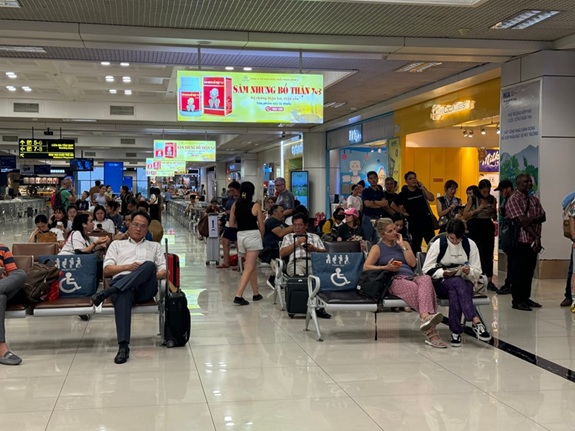
I didn’t expect my first meaningful moment in Vietnam to be a phone call.
Not a dramatic one. Not an emergency. Just a brief ring cutting through the low hum of an arrivals hall early in the morning.
The voice on the other end was calm and practical. A quick confirmation. A location check. Less than thirty seconds.
Before this journey, I had chosen to travel with a setup that included calls and SMS, not just mobile data. At the time, it felt slightly old-fashioned.
Throughout the first day, short calls came and went. A driver checking timing. A hotel confirming arrival.
By the second day, I stopped thinking about it entirely. My phone rang when it needed to. Messages arrived without delay.
One afternoon, I found myself sitting at a quiet street café, watching traffic slide past in slow waves.
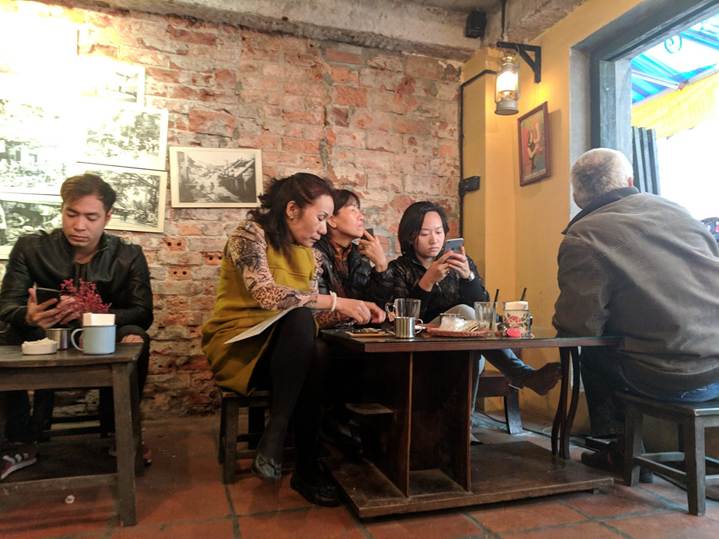
Vietnam communicates efficiently. A quick call can replace a long explanation. An SMS can quietly confirm what doesn’t need discussion.
Near the end of the journey, while sorting photos and notes, I realized how little mental energy I had spent managing connectivity.
At one point, someone asked how I’d managed logistics so smoothly when plans changed.
The only thing that came to mind was that I’d chosen a
Vietnam eSIM for calls and SMS
, and then largely forgotten about it — which, in a way, was the point.
Travel often rewards the choices that don’t draw attention to themselves. In Vietnam, being able to make a call or receive a simple text didn’t make the trip louder or faster. It made it calmer.