

Introduction – What Customers Should Know Before Shipping a Car
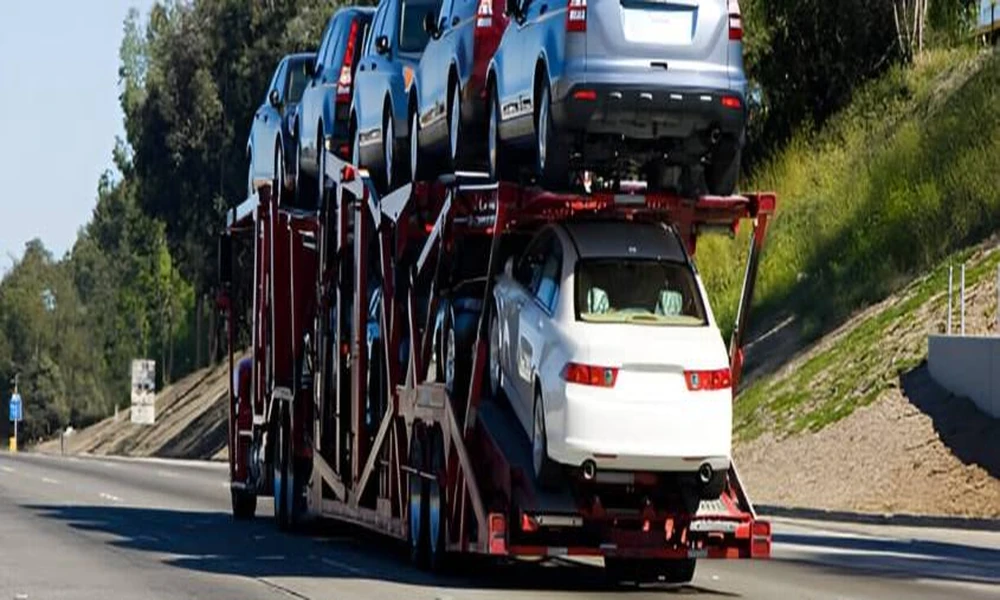
Shipping a vehicle over a long distance can often feel overwhelming, especially for first-time shippers. Professional auto transport simplifies long-distance vehicle shipping by taking the burden of multi-state transit off your shoulders. Instead of adding hundreds or thousands of miles to your vehicle’s odometer, professional auto carriers transport your car safely and efficiently to your target destination.
Navigating the auto transport landscape requires an understanding of common customer concerns, particularly regarding pricing transparency, vehicle safety, carrier scheduling, and actual delivery timelines. Without proper preparation, unexpected costs or scheduling delays can disrupt your moving plans. Understanding the complete shipping process-from initial quote to final inspection-ensures you make informed decisions, choose the right service options, and enjoy a seamless transit experience.
This comprehensive guide answers 20 of the most frequently asked questions about car shipping, covering everything from costs and prep work to insurance coverage and specialized transport options.
Understanding the Car Shipping Process
1. How Does Car Shipping Work?
The car shipping process follows a straightforward, step-by-step workflow designed to move your vehicle safely across town or across the country:
- Quote Request & Booking: You provide your vehicle details, pickup location, delivery destination, and preferred dates to receive an estimate and book your spot.
- Carrier Assignment: The auto transport broker or company pairs your order with an vetted, insured auto carrier operating along your designated route.
- Vehicle Pickup: The carrier arrives at your specified location (or a nearby accessible area), conducts a thorough pre-trip vehicle inspection with you, and loads the vehicle onto the transport trailer.
- Transportation: The driver navigates the planned route, adhering to federal transport regulations, safety guidelines, and transit schedules.
- Delivery & Final Inspection: Upon arrival at the destination, the vehicle is unloaded, inspected again against the initial report, and handed back to you or your designated representative.
The auto transport company or broker manages the logistics, dispatching, and customer service, while the carrier is the actual truck driver/company physically moving your vehicle.
2. How Do I Book a Car Shipping Service?
Booking an auto transport service requires providing a few essential pieces of information:
- Locations: Exact pickup and delivery ZIP codes or street addresses.
- Vehicle Details: Year, make, model, modification status, and operational condition (operable or inoperable).
- Timing: Preferred pickup date and overall timeline flexibility.
- Transport Preference: Open or enclosed carrier options.
Once you accept a quote and confirm your booking, the auto transport provider initiates carrier dispatching. You will receive confirmation details along with instructions on preparing your vehicle for transport.
3. How Long Does It Take to Ship a Car?
Transit time primarily depends on the total distance between pickup and delivery:
| Distance Range | Estimated Transit Time |
| Under 500 miles | 1 to 2 days |
| 500 – 1,000 miles | 2 to 4 days |
| 1,000 – 2,000 miles | 3 to 6 days |
| 2,000+ miles (Coast-to-Coast) | 6 to 9 days |
Contributing Timeline Factors
- Route Availability & Traffic: High-demand interstate corridors move faster than remote rural routes.
- Weather & Road Conditions: Severe weather, road construction, and winter passes can cause necessary safety delays.
- Pickup Scheduling vs. Transit Time: Pickup scheduling refers to the window required for a carrier to arrive at your door (typically 1-5 business days after booking), whereas transit time begins once the car is physically loaded onto the truck.
- Driver Hours of Service: Delivery estimates may shift because commercial drivers are legally restricted by Federal Motor Carrier Safety Administration (FMCSA) logbook rules on maximum driving hours per day.
4. Can I Ship a Car to Another State?
Yes, interstate vehicle transportation is one of the most common services provided by auto transport companies. Popular routes include cross-country transit (e.g., California to New York) and seasonal “snowbird” routes (e.g., New York to Florida).
When shipping out of state, customers can generally choose between:
- Door-to-Door Delivery: The driver picks up and drops off the vehicle as close to your specified addresses as safely and legally possible.
- Terminal-to-Terminal Delivery: You drop off and pick up your vehicle at designated regional storage facilities, which can sometimes provide flexible drop-off hours, though additional storage fees may apply.
Pickup and delivery locations directly influence scheduling; urban hubs along major interstate routes enjoy faster scheduling than remote rural addresses.
Car Shipping Costs and Pricing
5. How Much Does It Cost to Ship a Car?
On average, shipping a car costs anywhere from $0.60 to $1.50 per mile, depending on the total distance and service type. Short-haul trips feature higher per-mile rates but lower overall totals, while long-distance shipments carry lower per-mile rates with higher overall costs.
Quotes differ between transportation providers due to varying carrier pay rates, dispatch fee structures, level of driver experience, and the inclusion of full vs. basic insurance coverage.
6. What Factors Affect My Car Shipping Quote?
Several core variables determine your final rate:
- Vehicle Dimensions & Weight: Larger vehicles like SUVs, trucks, and vans take up more deck space and consume more fuel, increasing costs.
- Distance & Route: Longer distances incur higher total fuel and labor costs, though remote locations off main highways cost more per mile.
- Transport Type: Enclosed trailers cost roughly 30% to 50% more than standard open multi-car carriers.
- Seasonal Demand: Rates surge during peak summer moving months and winter snowbird migration cycles.
- Accessibility: Narrow residential streets, steep hills, or low-hanging trees requiring specialized pickup arrangements can add handling fees.
7. Is the Car Shipping Quote the Final Price?
Not always. It is critical to carefully review your written quote details. A price change may occur if:
- The vehicle is miscategorized (e.g., listed as a standard sedan when it is a lifted truck).
- The vehicle becomes inoperable prior to loading.
- Delivery locations change after booking.
- The quote provided was a non-binding estimate rather than a guaranteed locked rate.
Always clarify terms, conditions, and potential additional charges with your provider before signing an agreement.
8. Is It Cheaper to Ship a Car or Drive It Myself?
While driving yourself might initially seem less expensive when comparing out-of-pocket costs, a full comparison paints a different picture:
- Self-Driving Expenses: Gas, hotel stays, meals, highway tolls, and plane tickets back home (if delivering to someone else).
- Hidden Costs: Depreciation from adding 1,000+ miles to your vehicle, tire wear, fluid breakdown, and potential breakdown risks.
- Time Savings: Driving cross-country takes 4 to 6 long days behind the wheel, costing lost work days and physical exhaustion.
Professional shipping is far more practical when relocating long-distance, moving multiple cars, preserving a high-value or classic car’s mileage, or when your time is worth more than the transit cost.
Vehicle Preparation Before Shipping
9. How Should I Prepare My Car for Shipping?
Proper preparation protects your car and avoids transport delays:
- Clean the Vehicle: Wash the exterior thoroughly so existing scuffs, scratches, or dents are clearly visible during initial inspection.
- Remove Personal Belongings: Clear out all items from the cabin and trunk, including aftermarket electronics and toll tags.
- Perform a Mechanical Check: Verify tire pressure, check battery charge, and ensure there are no active fluid leaks.
- Adjust Fuel Level: Keep the gas tank between 1/8 and 1/4 full. This provides enough fuel for loading/unloading while keeping trailer weight down.
- Document Pre-Existing Damage: Take clear, high-resolution, time-stamped photographs of the car from all angles.
10. Can I Put Personal Belongings Inside My Car?
Most auto carriers prefer cars to be completely empty. While some carriers permit up to 100 lbs of soft goods (like clothing or linens) secured in the trunk below the window line, doing so carries strict limitations:
- Weight Restrictions: Excess weight can cause the carrier to exceed federal highway weight limits, resulting in fines passed on to you.
- Insurance Exclusions: Carrier cargo insurance does not cover personal items inside the vehicle. If items are damaged or stolen, you bear full financial responsibility.
- Safety & Damage: Loose items can shift during transit and damage your vehicle’s interior. Always remove valuables, electronics, and vital documents before pickup.
11. Does My Car Need to Be in Working Condition?
No, your car does not need to run, but you must disclose inoperable status prior to booking.
- Operable Vehicles: Can start, drive, steer, and brake on their own power, allowing easy loading onto standard trailers.
- Inoperable Vehicles: Require specialized winches, hand ramps, or forklifts to load safely onto the transport trailer.
Failing to disclose a non-running condition in advance will result in pickup delays, extra equipment fees, or potential carrier rejection at the door.
12. Should I Take Photos of My Car Before Shipping?
Yes, taking thorough pre-shipping photos is an essential step in protecting your investment:
- Coverage: Photograph all exterior panels, bumpers, glass, wheels, trim, and interior upholstery.
- Close-ups: Capture any existing scratches, chips, or dents so there is zero ambiguity regarding pre-existing conditions.
- Condition Report: Cross-reference your photos against the driver’s written inspection report on the Bill of Lading (BOL) during pickup.
Safety, Insurance, and Vehicle Protection
13. Is Car Shipping Safe?
Yes, professional auto transport is a highly regulated, safe industry. Commercial carriers employ experienced drivers trained specifically in vehicle securing, weight distribution, and heavy equipment operation.
Before booking, research transport providers by checking their U.S. Department of Transportation (DOT) and Motor Carrier (MC) registration numbers, evaluating safety ratings, and reading verified customer reviews to ensure high service standards.
14. Is My Car Insured During Transportation?
Yes. Legally, auto transport carriers are required to carry commercial carrier cargo insurance, which covers your vehicle against transit damage caused by carrier negligence, equipment failure, or collisions while on the trailer.
- Carrier Insurance vs. Personal Auto Insurance: Carrier insurance acts as the primary policy for transit damage. Your personal policy acts as secondary coverage, depending on your provider.
- Limits & Deductibles: Carrier cargo limits usually range between $100,000 and $250,000 per vehicle on open carriers, and higher on enclosed trailers. Most carrier policies cover deductible fees, but you should request a copy of the carrier’s Certificate of Insurance (COI) to verify details before shipping.
15. What Happens If My Car Gets Damaged During Shipping?
While rare, if damage occurs, take the following steps immediately:
- Document at Delivery: Inspect your vehicle thoroughly alongside the driver before signing anything.
- Note on Bill of Lading (BOL): Explicitly write down all new damage directly on the driver’s copy and your copy of the BOL.
- Photograph the Damage: Take clear, close-up photos of the newly damaged areas on-site.
- Notify the Provider: Contact your shipping broker or transport company immediately to submit your claim, along with the marked BOL, pre-shipping photos, and repair estimates.
16. How Can I Choose a Reliable Car Shipping Company?
To select a trustworthy vehicle transport provider:
- Verify Credentials: Check DOT and MC license numbers on the FMCSA portal.
- Verify Insurance: Request proof of active liability and cargo insurance policies.
- Check Reputable Reviews: Look up long-term customer experiences on the Better Business Bureau (BBB), Google Reviews, and Transport Reviews.
- Avoid Too-Good-To-Be-True Quotes: Extremely low prices often indicate unreliable brokers who struggle to assign qualified carriers.
- Demand Transparent Communication: Choose companies that provide clear, written agreements with no hidden terms.
Shipping Options and Special Requirements
17. What Is the Difference Between Open and Enclosed Car Shipping?
| Feature | Open Car Shipping | Enclosed Car Shipping |
| Trailer Structure | Open-air, double-deck trailer (standard multi-car carrier) | Fully enclosed hard-side or soft-side box trailer |
| Protection Level | Protects against road wear; exposed to weather and debris | 100% shielded from weather, rain, dirt, and road debris |
| Cost | Most economical option | 30% to 50% higher than open transport |
| Availability | High availability; easy scheduling | Selective availability; requires specialized equipment |
| Best For | Daily drivers, standard sedans, SUVs, and used cars | Classic, exotic, luxury, vintage, and high-value vehicles |
18. Can I Ship a Classic, Luxury, or Modified Vehicle?
Specialty vehicles demand extra care during transit. Classic, luxury, exotic, and modified vehicles benefit significantly from enclosed transport, which shields paint finishes from elements and road grit.
For modified vehicles, provide accurate specifications during quote requests:
- Low Ground Clearance: Requires liftgate-equipped trailers or low-angle loading ramps to prevent undercarriage scraping.
- Oversized Dimensions: Lifted trucks, wider bodies, or roof racks require customized spacing on the trailer.
19. Can I Ship My Car During Winter or Bad Weather?
Yes, auto transport runs year-round. However, severe winter weather introduces special considerations:
- Potential Delays: Snowstorms, icy mountain passes, road closures, and extreme temperatures can cause unexpected pickup and delivery delays.
- Safety Priorities: Professional drivers prioritize safe driving over rushing schedules during hazardous conditions.
- Communication: Maintain open communication with your transport provider for real-time updates when shipping in adverse seasonal conditions.
20. Is Door-to-Door Car Shipping Available?
Yes, door-to-door car shipping is the industry standard. The carrier picks up and drops off your vehicle as close to your designated address as safely possible.
However, large multi-car carriers (often up to 80 feet long) cannot enter tight residential streets, cul-de-sacs, or areas with low overhead tree branches or power lines. When access is restricted, the driver will coordinate with you to meet at a nearby, accessible parking lot (such as a shopping center or large staging area) for safe loading or unloading.
Final Tips for a Smooth Car Shipping Experience
- Book Early: Request quotes 2 to 3 weeks in advance, especially during summer or seasonal peaks.
- Provide Accurate Details: State exact vehicle specifications and mechanical conditions up front.
- Select the Right Option: Choose between open and enclosed transport based on your vehicle’s value and protection needs.
- Verify Insurance & Terms: Request policy limits and read all booking terms prior to signing.
- Prep Your Car: Clean the exterior, lower the gas tank to 1/4 full, and remove all personal belongings.
- Keep Documentation: Keep signed copies of your booking confirmation and the final Bill of Lading.
- Stay in Touch: Maintain direct communication lines with your driver and dispatch team throughout transit.
Why Choose Passport Transport for Professional Vehicle Shipping?
When it comes to transporting high-value automobiles, experience matters. Passport Transport brings decades of specialized expertise to vehicle transportation, setting the industry benchmark for secure, enclosed vehicle shipping.
Unlike standard auto haulers, Passport Transport specializes exclusively in classic, luxury, exotic, and collector vehicles. Utilizing state-of-the-art enclosed trailers, custom ramp systems for low-clearance vehicles, and liftgate loading technologies, your vehicle receives white-glove protection from doorstep to destination.
Every shipment features real-time tracking, comprehensive insurance coverage, and direct communication with seasoned drivers trained specifically in handling high-value automobiles.
Ready to transport your vehicle with confidence? Request a free, custom transportation quote from Passport Transport today.
Frequently Asked Questions – Quick Answers
Can I ship a car without being present at pickup?
Yes. If you cannot be present, you can designate an authorized representative (such as a family member, friend, or mechanic) who is at least 18 years old to inspect the car, hand over the keys, and sign the Bill of Lading on your behalf.
Do I need to be present when my car is delivered?
Either you or your designated representative must be present at delivery to perform the joint inspection, document vehicle condition on the Bill of Lading, hand over final payment (if applicable), and receive the keys.
Can I ship a car that does not start?
Yes, non-running (inoperable) vehicles can be shipped. However, you must inform your auto transport provider during booking so they dispatch a trailer equipped with a specialized winch or loading hoist.
Should I leave gas in my car during shipping?
You should leave approximately 1/8 to 1/4 tank of gas in your vehicle. This provides enough fuel to load and unload the car while avoiding unnecessary weight on the carrier trailer.
Can I track my car during transportation?
Yes. Most modern auto transport providers offer real-time tracking updates via GPS, online tracking portals, or direct phone and text updates from your assigned driver or dispatch coordinator.