

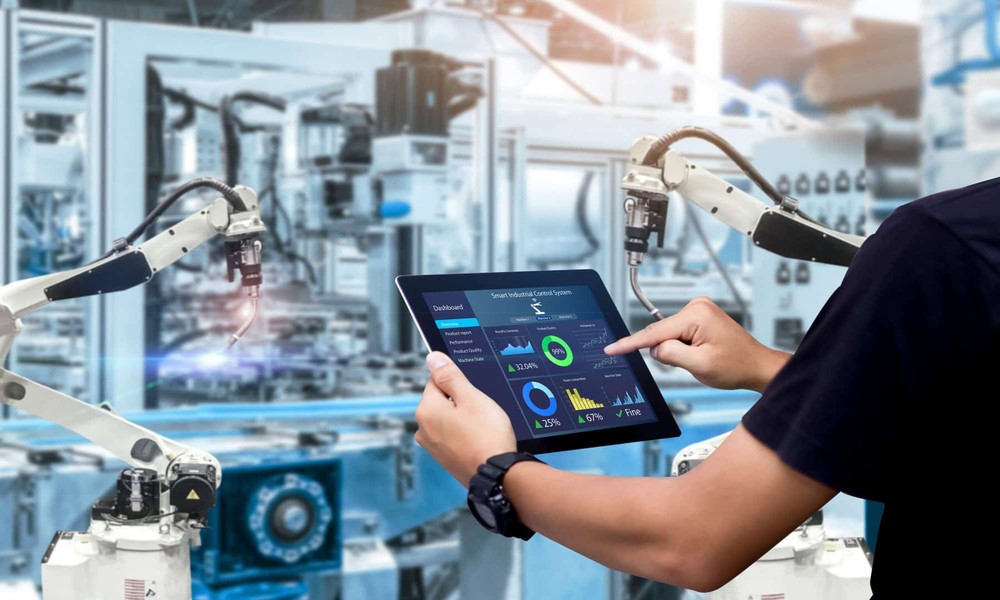
Generative AI is not just a futuristic concept; it is already making a tangible impact in various manufacturing sectors. For instance, automotive manufacturers are using AI to design lightweight components that maintain strength and durability, resulting in more fuel-efficient vehicles. By leveraging AI-generated designs, these companies can reduce material usage and production costs while meeting stringent regulatory standards.
In the aerospace industry, Generative AI is being used to develop innovative structures that enhance performance and safety. AI-driven design tools allow engineers to explore thousands of configurations and select the best option based on specific criteria such as weight, cost, and strength. This not only speeds up the design process but also ensures that the final product is optimized for its intended application.
The consumer electronics sector is also benefiting from Generative AI, with companies using the technology to design compact, high-performance devices. By automating the design of circuit boards and other components, manufacturers can reduce development time and bring products to market faster. This rapid iteration process is crucial in an industry where staying ahead of the competition requires constant innovation.
The Future of Manufacturing with Generative AI
The future of manufacturing is poised for a dramatic transformation, driven by the continued advancements in Generative AI. As AI models become more sophisticated, their ability to handle complex tasks and provide actionable insights will only improve. This evolution is likely to result in even greater efficiency gains and more innovative products across industries.
One of the most promising aspects of Generative AI is its potential to democratize design and innovation. By providing access to advanced tools and insights, AI can empower smaller companies and individual creators to compete with larger corporations. This could lead to a more diverse range of products and solutions, benefiting consumers and businesses alike.
Despite these exciting prospects, the widespread adoption of Generative AI will require addressing several challenges, including ethical considerations and the need for a skilled workforce. As manufacturers integrate AI into their operations, they must ensure that these systems are used responsibly and that employees are equipped with the necessary skills to work alongside AI technologies.
As the manufacturing industry continues to evolve, staying informed about the latest technological advancements is more crucial than ever. Generative AI is not just a trend; it is a powerful tool that can drive innovation and efficiency. To learn more about how Generative AI can transform your business, read more details here. Don’t miss out on the opportunity to lead the way in the future of manufacturing.